
Have you ever heard of a temple where two Nandi bulls guard the sanctum and a Sun God idol stands across the road, worshiping the deity? 🤔 Welcome to the Veemeeswarar Temple at Serapanancheri – a centuries-old Shiva shrine near Chennai that packs more surprises than its quiet village setting suggests!
Directions/Location: Serapanancheri is a small village in Kanchipuram District, Tamil Nadu, about 20 km south of Tambaram (the southern suburb of Chennai). The temple is located approximately 4 km from Padappai on the Padappai–Kanchipuram road. A short 1 km detour off the main road leads you into this rustic hamlet. Landmarks? It’s near the Vandalur–Oragadam road (close to a local engineering college) – but blink and you might miss it! The Sri Veemeeswarar Temple sits tucked amid fields and village homes, a hidden gem waiting to be discovered by intrepid travelers.


Highlights not to miss:
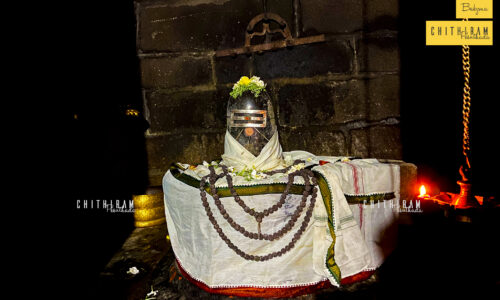
- Massive Shiva Lingam: The main deity Veemeeswarar (Shiva Lingam) stands about 5 feet tall – truly towering for a village shrine. Look closely and you’ll notice a natural snake-like mark curling on this ancient Lingam’s surface, a feature that devotees find awe-inspiring.
- Goddess Swarnambigai: Unusually, Goddess Swarnambigai (the consort) resides inside the same sanctum as the Lingam, seated to its left and facing south. (In most Shiva temples, the Goddess has a separate shrine.) The current idol of Swarnambigai is a modern replacement installed by villagers. Inscriptions prove that an original idol existed, and the Goddess’s name, “Swarnambikai,” is recorded from Chola times.
- Twin Nandis: In front of the sanctum are two Nandi statues (Shiva’s bull vahana) sitting one behind the other. The rear Nandi is the weathered original, reportedly damaged by a vehicle in the past. The front Nandi is a newer one, as the local tale goes, that the remorseful lorry driver himself donated to the temple to replace the one he accidentally hit. It’s a striking sight – two bulls aligned in devotion.
- Surya Shrine: Directly across the road from the temple, you’ll find a small shrine for Surya (the Sun God), who faces east towards Shiva’s sanctum. This unique layout makes it appear as if Surya is eternally worshipping Lord Veemeeswarar from outside. The road in between is a later development – originally, the Surya shrine was part of the temple compound until a path split the site in two. So don’t forget to cross over and see the Sun God statue aligning perfectly with the Lingam – a rare feature you won’t easily find elsewhere.
- Apsidal Architecture: The temple’s construction is in the Gajaprishta style, meaning the sanctum has a curved, barrel-shaped rear that resembles an elephant’s back. This apsidal design is more typical of early Chola and Pallava architecture, making it a treat for both history buffs and photographers alike. Despite its ruinous state, you can still appreciate the curved sanctum’s shape and imagine its past grandeur.
The apsidal rear of Veemeeswarar Temple – note the curved “gajaprishta” sanctum wall and the partially-collapsed brick superstructure. The temple is situated on an elevated stone base, a characteristic of early Chola architecture.

Architecture Wonder:
Architecturally, this temple is a rare gem. It is built on an elevated platform, with the sanctum sanctorum featuring an apsidal (half-cylindrical) backside. The base up to the adhiṣṭhāna and the wall is constructed of granite stone, while the roof was made of brick (or may be completely granite) – you can actually see the brickwork exposed where the outer stones have fallen off. The entire sanctum was once open to the sky after its roof collapsed, until locals pitched in to put a simple asbestos sheet as a makeshift ceiling. As you walk around, notice the fragments of carved pillars and statues strewn about – remnants of what was once a full-fledged mandapa (hall). The ardha-mandapam and mukha-mandapam (anteroom and front porch) of the temple are mostly in ruins now, with only the foundation and a few stubs of pillars visible. Interestingly, on one of the broken gables above the entrance, there’s a bas-relief of a Chola king in a worship pose – possibly depicting Kulothunga Chola III, who was associated with this temple’s renovation. The outer walls of the sanctum feature decorative recessed panels (kumbha panjaras), a typical Chola design, although many niche sculptures are now missing. Overall, even in its ruined state, the temple’s unique layout – especially the curved rear – and the surviving stonework make it an architectural wonder of its time.


Little History:
Local tradition claims the site is thousands of years old, but recorded history firmly dates it to the Chola period. The earliest inscriptions here date to around 1180 CE, during the reign of Kulothunga Chola III. In fact, the temple’s own inscriptions indicate that it was renovated by Kulothunga III toward the end of the 12th century – meaning the original shrine may predate that and could even have early Chola or late Pallava origins. Back in those days, Serapanancheri village was known by grand names, such as Rajakesari Nallur, Kesari Nallur, and Peruvanchur. Later on (after Kulothunga’s 2nd regnal year), it took on the name Rajendra Chozha Nallur in honor of an earlier Chola king. The deity, now known as Veemeeswarar, was referred to in inscriptions as “Vimeesuramudaya Nayanar” – essentially, the Lord of Viméeśwaram (the old name, which, by folklore, is linked to “Vinmeengal Ishwaran,” meaning Lord of the Stars).
The temple walls are lined with inscriptions (look for rows of ancient Tamil script on the base stones!). These epigraphs offer a glimpse into the past. They record various donations and endowments to the temple from the 12th to the 13th centuries. For example, an inscription from Kulothunga III’s reign mentions a local dignitary donating two cows to provide ghee for a perpetual lamp in the shrine. Another, dated to Rajaraja Chola III (early 13th century), documents the villagers collectively funding the burning of two sandhi lamps, with payments in pazhankasu (old coins) to the temple’s Brahmana priests. There’s even a record from the reign of a king called Vijayakanda Gopala (25th year of his rule), noting a donation by one Anda Koothan Vanduvarai Perumal for lighting a lamp, which shows that even smaller dynasties or officials maintained the temple later on. These inscriptions not only confirm the temple’s active use during Chola times but also paint a picture of a well-supported sacred site – where kings, queens, and common folk all contributed oil, lamps, land, or livestock to keep the Shiva linga lit and worshipped.
Following the Chola era, the temple likely experienced periods of neglect, particularly in the last few centuries. No major historical battles or events are recorded here, which is perhaps why it faded into obscurity. By the modern era, it had fallen into ruins – the British period and subsequent decades saw the temple lands encroached and the structure left without upkeep. Only recently have history enthusiasts and locals begun to rally for its restoration. The fact that it still survives (even in a dilapidated state) is a testimony to the quality of Chola construction and the lingering devotion of villagers who refused to let it crumble away entirely.


Why Visit: Why should you go out of your way to find this almost-forgotten temple? Well, if you love heritage, history, or just the thrill of discovery, Serapanancheri’s Veemeeswarar Temple will not disappoint. For one, it’s off the beaten path – you’ll likely have the whole site to yourself to explore, meditate, or photograph at leisure. The atmosphere is tranquil and imbued with an old-world spiritual charm that busy touristy temples often lack. Despite its ruin, daily puja (worship) is still conducted here by a priest who travels from a nearby town, so the temple is “alive” – you might catch the ringing of a bell and the fragrance of incense even if no large crowd is present. Witnessing worship continue in a roofless, 800-year-old sanctuary is a moving experience, one that seamlessly blends past and present.
For architecture enthusiasts, it’s like an open-air museum – you can literally walk up to 12th-century stone carvings, examine the construction technique of a Chola apsidal shrine, and witness how nature is slowly reclaiming the structure. Don’t forget those unique highlights: the twin Nandis, the aligned Sun God statue, and the sheer size of the Lingam – these make for great stories to tell and photos to share. Visiting this site also means supporting its preservation – the more people know about it, the better the chances of restoration. As a bonus, the surrounding region is rich in other heritage sites (being in the historic Kanchipuram district), so you can make a day of temple-hopping to lesser-known spots.
Conclusion: In summary, Sri Veemeeswarar Temple, Serapanancheri is a hidden treasure of Tamil Nadu’s cultural landscape – a place where history, mythology, and architectural beauty converge in a humble village setting. Standing before that giant Lingam under the open sky, flanked by silent Nandi bulls, you can’t help but feel a connection across the centuries. The temple may be in ruins, but it speaks – through its inscriptions, its time-worn stones, and the devotion that still keeps a lamp burning. Truly, this grand Chola-period temple lies largely unattended today, with many archaeological secrets yet to be unfurled. It deserves the curiosity of tourists and the care of conservationists. So, if you’re in Chennai or Kanchipuram, consider taking a detour to Serapanancheri. By visiting and spreading the word, you become a part of this site’s story – helping ensure that Veemeeswarar’s legacy shines on for generations to come.

YouTube: https://www.youtube.com/c/chithirampesuthada
Facebook: https://www.facebook.com/chithirampesuthadasuresh/
Instagram: https://www.instagram.com/chithirampesuthada/
Flickr: https://www.flickr.com/photos/chithirampesuthada/
Web: https://chithirampesuthada.com/
சோழர்களின் கஜபிருஷ்ட ரத்தினம் – செரப்பணஞ்சேரி விம்மீஸ்வரர் கோயில்!
சென்னை தாம்பரம் – வல்லக்கோட்டை நெடுஞ்சாலையில், படப்பை எனும் சிற்றூரிலிருந்து சுமார் 5 கி.மீ தொலைவில், திருப்பெரும்புதூர் வட்டத்தில் அமைந்துள்ளதும் வரலாற்றுப் பூர்வமானதுமான ஒரு கிராமம் தான் செரப்பணஞ்சேரி. பழங்காலத்தில் இது பெருவஞ்சூர் என அழைக்கப்பட்டதற்கான கல்வெட்டு ஆதாரங்கள் உள்ளன. இவ்வூரில் இன்று சிதைந்த நிலையில் காணப்படும் ஒரு சைவக் கோயில் விம்மீஸ்வரர் கோயில் ஆகும்.
இக்கோயிலின் பிரதான அமைப்பு மற்றும் கருவறை கஜபிருஷ்ட வடிவம் அல்லது தூங்கானை மாட வடிவத்தில் அமைந்துள்ளது – இது பல்லவ மற்றும் பண்டைய சோழக் கட்டடக்கலைக்கு உவமை. கோயிலில் எட்டு கல்வெட்டுகள் காணப்படுகின்றன. அவற்றின் வாயிலாக இவ்வூரின் பழமை, மன்னர் ஆதாயங்கள் மற்றும் காணிக்கைகள் பற்றிய பல தகவல்கள் வெளிவருகின்றன.


அதிகபட்சம் கி.பி. 1180ஆம் ஆண்டு புனரமைக்கப்பட்ட இக்கோயில், மூன்றாம் குலோத்துங்க சோழனின் காலத்தைச் சேர்ந்ததாகும். அது முன்பும் ஏற்கனவே இருந்திருக்கக்கூடிய கோயிலாகும் என கல்வெட்டுகளின் அடிப்படையில் கருதலாம்.
இக்கோயில் கல்வெட்டுகளில், இவ்வூரின் பெயர் ராஜகேசரி நல்லூர், பின்னர் ராஜேந்திர சோழ நல்லூர் என்று மாற்றியமைக்கப்பட்டிருப்பதைக் காணலாம். இறைவன் வீமீசுரமுடைய நாயனார் என அழைக்கப்பட்டுள்ளார்.


கல்வெட்டுகளில் பதிவு செய்யப்பட்ட முக்கிய விபரங்கள்:
- விசயகண்ட கோபாலன் காலத்திலும் (25ஆம் ஆண்டு) இக்கோயிலுக்கான நன்கொடைகள் நடைபெற்றிருப்பதைக் கல்வெட்டுகள் உணர்த்துகின்றன.
- மன்றாடிகள், பட்டர்கள் மற்றும் சிற்றரசர்கள் பலர் கோயிலுக்கான சந்தி விளக்குகளுக்குப் பசுக்கள், பழங்காசுகள், காணிகள் போன்றவை வழங்கியுள்ளனர்.
- ஒருவராக தன்மக்கோன் என்பவர் இரண்டு பசுக்களைக் கொடுத்து விளக்கெரிக்கும் ஏற்பாடுகளைச் செய்துள்ளார். மேலும் குத்துவிளக்கும் ஒன்றையும் நன்கொடையாக வழங்கியுள்ளார்.
- பல கல்வெட்டுகளில் பட்டர்கள் – சிறப்பான சிவப்பிராமணர்கள் – தத்தமுடைய காணிகள், மூன்றத்தொற்று, நாலத்தொற்று, பத்து நாள் போன்ற காணிக் கட்டமைப்பின் அடிப்படையில் ஊதியம் பெற்றதாகக் கூறப்படுகிறது.
- கி.பி. 1182ல் மூன்றாம் குலோத்துங்க சோழனின் ஆட்சியில் ஊரின் பெயர் ராஜேந்திர சோழ நல்லூர் ஆக மாறியிருப்பது குறிப்பிடப்பட்டுள்ளது.
- வயிரநாதன், வள்ளவதரையன், அமண்பாக்கிழான் செந்தாமரைக் கண்ணன் போன்ற சிற்றரசர்கள் மற்றும் மகளிரான சிவலோகமுடையாள் ஆகியோரும் தங்களின் நன்கொடை வழியாகக் கோயிலின் சந்தி விளக்குகள், நெய்விளக்குகள் வழிபாட்டிற்கான ஏற்பாடுகளைச் செய்துள்ளனர்.


கட்டடக் கலையும் அமைப்பும்:
- இக்கோயிலின் கருவறை, இடைநாழி, அர்த்தமண்டபம், மற்றும் மகாமண்டபம் ஆகியவை தெளிவாக அமைந்துள்ளன.
- மண்டபச் சுவர்கள் சிதைந்த நிலையில் உள்ளன. சில sculptural niches (கோஷ்டம்) இப்போது வெறுமையாக காணப்படுகின்றன.
- பெரும்பாலான பகுதியில் பாறைகள் மற்றும் செங்கல் கட்டமைப்புகள் இணைந்து உள்ளன – இது பல்லவ–சோழ கலையின் ஓர் உதாரணம்.
பெயர் பரிணாமம்:
பழமையில் பெருவஞ்சூர் என அழைக்கப்பட்ட இவ்வூர், சோழர்காலத்தில் ராஜேந்திரசோழ நல்லூர், பின்னர் ராஜகேசரி நல்லூர் என மாற்றியமைக்கப்பட்டாலும், “பெருவஞ்சூர்” என்ற அடையாளத்தை இழக்கவில்லை. நாளடைவில், மக்கள் வழக்கில் இது “செரப்பணஞ்சேரி” எனவும் அழைக்கப்பட்டு வருகிறது.
📚 குறிப்பு: இக்கல்வெட்டுகள் அனைத்தும் தமிழ்நாடு அரசின் “காஞ்சிபுரம் மாவட்டக் கல்வெட்டுகள் – தொல்லியல்துறை வெளியீடு” எனும் நூலில் பதிவு செய்யப்பட்டுள்ளன.

YouTube: https://www.youtube.com/c/chithirampesuthada
Facebook: https://www.facebook.com/chithirampesuthadasuresh/
Instagram: https://www.instagram.com/chithirampesuthada/
Flickr: https://www.flickr.com/photos/chithirampesuthada/
Web: https://chithirampesuthada.com/